Shih Tzu: Complete Health Guide
Everything Shih Tzu owners need to know — breathing care, healthy weight, eye and dental health, grooming, and how to keep your Shih Tzu healthy for life.
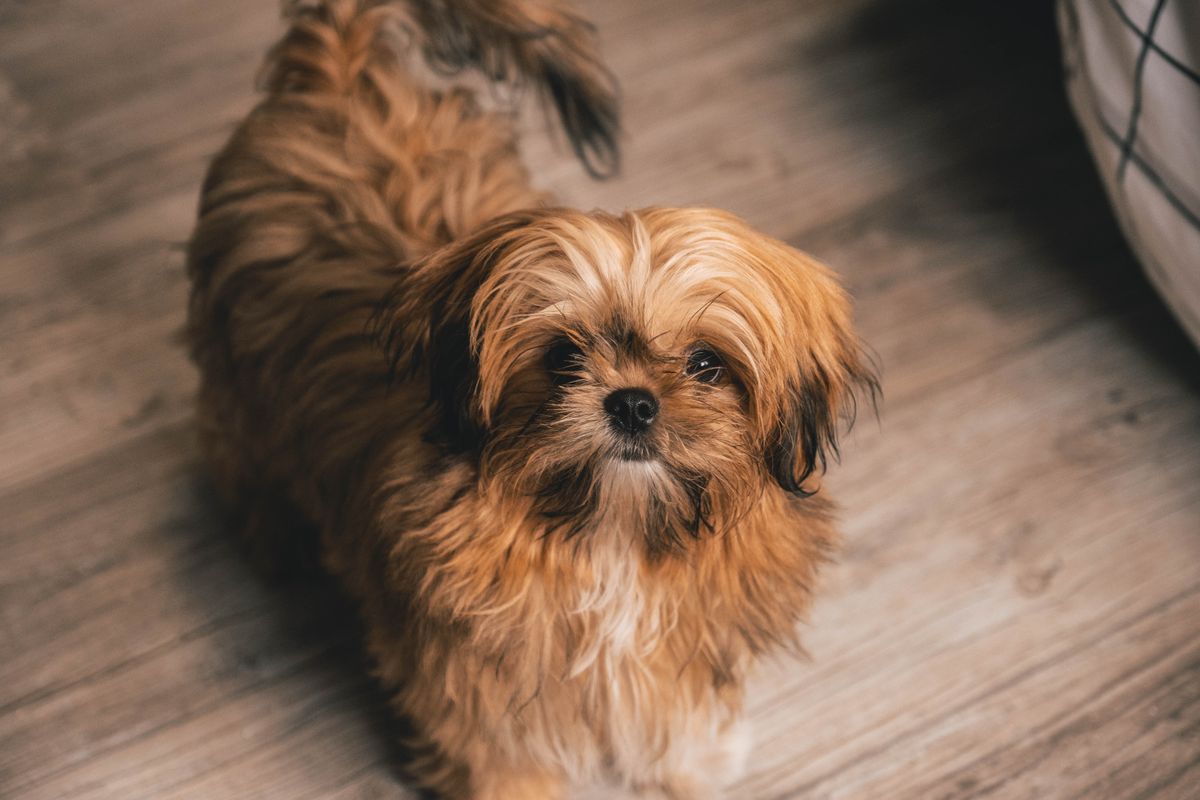
Photo: Pexels / Free for commercial use
Shih Tzus are one of the most beloved small dog breeds in the world — prized for their affectionate temperament, luxurious long coat, and adaptability to apartment living. Despite their small size, Shih Tzus are surprisingly sturdy little dogs with a lifespan of 10–18 years. However, their brachycephalic (flat-faced) anatomy and dense coat come with specific health responsibilities that every Shih Tzu owner needs to understand. This guide covers everything you need to give your Shih Tzu the longest, healthiest life possible.
Breed Overview
Shih Tzus are an ancient toy breed originating in Tibet and China, where they were kept as imperial lap dogs. Their name means 'Lion Dog' in Chinese. Adults typically weigh 4–8 kg and stand 20–28 cm at the shoulder. They are characterized by their long, flowing double coat, pushed-in flat face, large round eyes, and warm affectionate personality. Shih Tzus are low-energy dogs that adapt well to apartment life, require minimal outdoor exercise, and bond deeply with their families. They are not well-suited to outdoor kennels or isolation.
Lifespan
10 – 18 years
Adult weight
4 – 8 kg
Height
20 – 28 cm
Coat type
Long, double-coated
Energy level
Low to moderate
Brachycephalic
Yes — BOAS risk
Grooming need
Very high
Shih Tzu owners: two things need daily attention
Breathing: Always use a harness — never a collar. Never exercise above 20°C. Watch for blue gums, labored breathing at rest, or gagging.
Eyes: Clean daily. Any squinting, redness, or cloudiness is a same-day vet emergency — corneal ulcers can progress to perforation within 48 hours.
Healthy Weight Ranges by Age
Shih Tzus are small dogs and their weight ranges are tighter than larger breeds. Even 1–2 kg above ideal weight is proportionally significant for a 5–6 kg dog. Their thick coat can disguise weight gain — always assess by touch.
| Age | ♂ Male | ♀ Female |
|---|---|---|
| 3 months | 1.5 – 2.5 kg | 1.3 – 2.2 kg |
| 6 months | 3.0 – 4.5 kg | 2.5 – 4.0 kg |
| 1 year (adult) | 4.0 – 7.5 kg | 3.5 – 7.0 kg |
| Adult (1–10 years) | 4.5 – 8.0 kg | 4.0 – 7.5 kg |
| Senior (10+ years) | 4.0 – 7.0 kg | 3.5 – 6.5 kg |
⚠ Shih Tzus are fully grown by 10–12 months. Their dense coat means visual assessment is unreliable — always run hands along the ribcage to feel for fat cover. A Shih Tzu that cannot be felt at the ribs without firm pressure is overweight.
Body Condition Scoring for Shih Tzus
The Shih Tzu's long coat makes visual BCS assessment nearly impossible. Hands-on assessment is the only reliable method. Target BCS 4–5 on a 9-point scale.
Ribs, spine, and hip bones felt with no fat cover through the coat. Visible muscle wasting. Uncommon in adult Shih Tzus — investigate for dental pain, parasites, or systemic illness. Senior Shih Tzus may lose weight from hyperthyroidism or kidney disease.
Ribs felt easily with light finger pressure through the coat, with a thin fat layer. A slight waist discernible behind the ribcage. Minimal abdominal fat padding. Dog moves freely and grooms comfortably. This is the target.
Ribs require moderate pressure to feel through fat and coat. Waist not discernible. Rounded sides. Extra fat visible or palpable around the neck and shoulder area. Breathing during exercise may be more labored. Common in neutered, low-activity Shih Tzus.
Ribs not palpable. No waist. Heavy fat deposits at neck, shoulders, and abdomen. Significant breathing compromise — even more dangerous in a brachycephalic dog. Urgent veterinary guidance needed.
How to Check Your Shih Tzu's BCS at Home
- 1Part the coat along both sides of the ribcage and press gently inward — individual ribs should be felt with light pressure
- 2Run a hand along the spine from neck to tail — vertebrae should be palpable but not sharp or protruding
- 3Feel behind the last rib for abdominal fat — a small amount is normal; a thick layer indicates overweight
- 4Look and feel for a waist behind the ribcage — there should be a slight narrowing before the hips
- 5Check for fat deposits at the neck base and shoulder area — early sites of fat accumulation in Shih Tzus
- 6Weigh monthly on a kitchen or bathroom scale to track trends
- 7Use PawScan's photo scan for an AI body condition assessment
Check Your Shih Tzu's Body Condition Score
Upload a clear photo of your Shih Tzu for an instant AI body condition score, breed confirmation, and personalized nutrition insights — even through that beautiful coat.
Scan your cat nowCommon Health Issues in Shih Tzus
Shih Tzus are generally hardy small dogs, but their anatomy creates several specific vulnerabilities that owners need to monitor proactively.
Brachycephalic Obstructive Airway Syndrome (BOAS)
CriticalBOAS is the most important health issue to understand in Shih Tzus. Their flat face causes narrowed nostrils (stenotic nares), an elongated soft palate, and sometimes a narrowed trachea — all reducing airflow and making breathing harder. Symptoms range from noisy breathing and snoring to exercise intolerance, gagging after eating, and in severe cases, blue gums and collapse. Heat dramatically worsens symptoms — Shih Tzus are extremely heat-sensitive and must never be exercised in temperatures above 20–22°C. BOAS assessment by a vet experienced with brachycephalic breeds is recommended for all Shih Tzus. Corrective surgery (widening nostrils, shortening soft palate) significantly improves quality of life in moderate-to-severe cases. Always use a harness — never a collar on a Shih Tzu.
Eye Problems — The Highest Priority After BOAS
CriticalShih Tzus have large, prominent eyes that are poorly protected by their flat facial structure. This makes them highly prone to: corneal ulcers (scratches or abrasions on the eye surface — always an emergency), dry eye (KCS — keratoconjunctivitis sicca, where insufficient tear production causes painful corneal damage), progressive retinal atrophy (PRA — inherited progressive vision loss), entropion (inward-rolling eyelids causing eyelashes to scratch the cornea), and epiphora (excessive tearing causing wet fur and skin fold infections below the eye). Any redness, squinting, cloudiness, discharge, or behavioral sign of eye discomfort (pawing at the face, reluctance to open one eye) warrants same-day veterinary attention. Eye problems in Shih Tzus can deteriorate from minor to vision-threatening within 24–48 hours.
Dental Disease
High priorityDental disease is one of the most prevalent health problems in Shih Tzus — some studies suggest up to 80% of dogs over 3 years have some degree of periodontal disease, and small-mouthed breeds like Shih Tzus are disproportionately affected. Their small jaw causes teeth crowding, accelerating tartar and plaque buildup, gum disease, and tooth root abscesses. Dental pain is a major hidden cause of appetite loss, irritability, and behavior changes. Daily toothbrushing is the most effective prevention. Annual professional dental cleaning under anesthesia is strongly recommended from age 2–3 onwards.
Intervertebral Disc Disease (IVDD)
High priorityShih Tzus are one of the chondrodystrophic breeds — their cartilage genetics make them prone to premature disc degeneration. IVDD occurs when spinal discs herniate (bulge or rupture), pressing on the spinal cord. Signs range from neck or back pain and reluctance to jump, to sudden hind limb weakness or paralysis. Prevent jumping from heights — use ramps or steps to access furniture and beds. Maintain healthy weight to reduce spinal stress. Any sudden change in gait, back arching, or hind limb weakness is an emergency.
Kidney Disease
High priorityShih Tzus have a hereditary predisposition to renal dysplasia — abnormal kidney development causing early kidney failure, sometimes in young dogs. This is distinct from the age-related kidney disease common in senior dogs. Signs: increased thirst and urination, reduced appetite, vomiting, weight loss. Annual kidney blood panels from age 5 (or earlier if any signs appear) are recommended. Wet food and good hydration support kidney function throughout life.
Patellar Luxation (Slipping Kneecap)
MonitorVery common in small breeds. The patella (kneecap) slips out of its normal groove, causing intermittent lameness — a classic sign is a dog that suddenly 'skips' or holds up a hind leg for a few steps before it pops back in. Ranges from Grade 1 (mild, occasional) to Grade 4 (permanent dislocation requiring surgery). Maintaining healthy weight reduces stress on the joint. Diagnosis by physical examination. Grade 3–4 cases benefit from surgical correction.
Heat Sensitivity & Overheating
CriticalDue to their BOAS-compromised airway and long insulating coat, Shih Tzus cannot cool themselves efficiently. Heatstroke can develop within minutes of exposure to temperatures above 25°C, especially with any exertion. Signs of overheating: excessive drooling, bright red gums, frantic panting, stumbling, collapse. This is always an emergency — cool immediately with room-temperature water (not ice cold) and get to a vet. Never leave a Shih Tzu in a car, in direct sun, or in an unventilated room in warm weather.
Hyperthyroidism & Hormonal Issues
MonitorWhile less common than in cats, Shih Tzus can develop hypothyroidism (low thyroid hormone) — causing weight gain, lethargy, hair thinning, cold intolerance, and skin changes. Senior Shih Tzus (10+ years) should have thyroid panels included in their annual bloodwork. Hypothyroidism is managed with daily oral medication and greatly improves quality of life when detected.
Eye Care — Daily Routine for Every Shih Tzu Owner
Daily eye discharge cleaning
Wipe eye discharge from the inner corner of each eye every morning with a damp cotton pad or veterinary eye wipe. Use a separate pad for each eye. The fur below the eyes should be kept clean and dry to prevent skin fold dermatitis. Never let dried discharge accumulate — it can harbor bacteria and cause infection.
Watch for reddish-brown tear staining
Brown staining below the eyes (epiphora) is caused by excess tearing — common in Shih Tzus due to their facial structure. While often cosmetic, persistent tearing may indicate blocked tear ducts, eye irritation, or corneal problems. Ask your vet to evaluate if staining is new or worsening.
Keep hair away from eyes
Long facial hair touching the eye surface is a leading cause of corneal irritation and ulcers in Shih Tzus. Tie or clip the facial topknot daily. Have a groomer trim the hair around the eyes regularly. The classic Shih Tzu topknot is not just decorative — it protects the eyes.
Watch for these emergency eye signs
Seek same-day veterinary care for: squinting or keeping one eye closed, visible redness or cloudiness, any eye discharge that is yellow or green, pawing at the face, or sudden behavioral change suggesting pain. Corneal ulcers in Shih Tzus can progress to perforation within 48 hours without treatment.
Grooming Guide for Shih Tzus
The Shih Tzu's long double coat is beautiful but demands consistent daily care. The two main options owners choose are the full-length show coat (requiring daily brushing) or the practical 'puppy cut' (shorter all over, requiring brushing every 2–3 days and trimming every 6–8 weeks).
Coat brushing (daily for long coat, every 2–3 days for puppy cut)
Use a pin brush followed by a wide-tooth metal comb. Start from the roots, not the tips. Work in small sections. Pay extra attention to behind the ears, armpits, groin, and under the collar — these areas mat fastest. Never brush a dry, dirty coat — mist lightly with a conditioning spray first to reduce breakage.
Bathing (every 2–4 weeks)
Shih Tzus need more frequent bathing than most breeds due to their long coat collecting debris. Use a tearless dog shampoo. Rinse thoroughly — residual shampoo causes skin irritation. Dry completely with a blow-dryer on a cool setting — a damp coat in skin folds causes bacterial and yeast infections.
Facial care (daily)
Clean around the eyes and nose fold daily. The wrinkle above the nose leather traps moisture and debris — wipe with a veterinary wipe and dry thoroughly. Trim the muzzle hair to prevent it draping into the water bowl and food.
Ear cleaning (weekly)
Shih Tzus have hair growing inside the ear canal, which traps moisture and debris and predisposes them to ear infections. Check weekly for odor, redness, or dark discharge. Clean monthly with a veterinary ear cleaner. Some vets recommend regular plucking of ear canal hair — discuss with your groomer and vet.
Nail trimming (every 2–3 weeks)
Shih Tzus' nails grow quickly and overgrown nails affect their gait and cause pain. Their low-exercise lifestyle means nails don't wear naturally. Trim every 2 weeks — many Shih Tzus tolerate nail trimming better than other breeds when started young.
Professional grooming (every 6–8 weeks)
Whether you maintain a full coat or a puppy cut, professional grooming every 6–8 weeks is strongly recommended for Shih Tzus. A good groomer will also check ear health, anal glands, and note any skin or coat abnormalities you may have missed.
Nutrition for Shih Tzus
Small breed specific food
Small breed dog foods have smaller kibble sizes (easier for a small-mouthed Shih Tzu to chew), higher calorie density per gram (important as small dogs need more calories per kg than large dogs), and nutrient ratios calibrated for small dog metabolism. Look for foods specifically labeled 'small breed' or 'toy breed.'
Strict portion control
Shih Tzus are prone to obesity and are very effective at begging. Measure every meal with a kitchen scale. For a 5–6 kg adult Shih Tzu, typical calorie needs are 200–300 kcal/day — approximately 60–90g of dry food or 200–300g of wet food. Adjust based on body condition score, not appetite.
Dental-supportive feeding
Given their high dental disease risk, feeding strategies that support dental health matter. Dry kibble (not wet food alone) provides some mechanical cleaning effect. Dental chews approved by the Veterinary Oral Health Council (VOHC) are more effective. Daily toothbrushing remains the gold standard.
Wet food for hydration and kidney health
Given Shih Tzus' kidney disease risk, maintaining good hydration is important. Including at least some wet food in the diet increases water intake significantly. A small amount of wet food mixed with kibble is a practical approach for most Shih Tzu owners.
Avoid free feeding
Never leave food out all day. Structured mealtimes (2× daily for adults) support weight management, allow you to monitor appetite changes (an important health indicator), and support a consistent digestive routine.
Exercise Requirements
Shih Tzus are low-energy dogs that need moderate exercise — not high-intensity activity. Adult Shih Tzus typically need 20–30 minutes of gentle walking daily, split into two short sessions. They enjoy short play sessions indoors but are not built for sustained running, jumping, or strenuous activity. Key exercise rules: never exercise in temperatures above 20–22°C; always use a harness (never a collar, which compresses the already-narrow trachea); watch for signs of respiratory distress during any exertion (excessive panting, noisy breathing, slowing down, blue gums); keep sessions short and slow — quality over quantity.
Lifespan & Senior Care
Shih Tzus are one of the longest-lived dog breeds, with many reaching 14–16 years and some living to 18+. Senior status typically begins around age 10. Key senior care milestones: biannual vet visits from age 10, annual senior blood panels including kidney function, thyroid, and blood glucose from age 7–8, dental cleaning frequency may increase, joint supplements (glucosamine, omega-3s) from age 8+, and close monitoring of appetite, weight, breathing, and mobility.
Preventive Care Checklist
Puppy (0–1 year)
- ✓Core vaccinations and parasite prevention
- ✓BOAS assessment at 12 months — discuss corrective surgery if needed
- ✓Establish daily coat brushing and eye cleaning routines from week 1
- ✓Harness fitting — never use a collar on a Shih Tzu
- ✓Patellar luxation assessment at first vet visit
- ✓Begin daily toothbrushing from week 1 of ownership
Adult (1–10 years)
- ✓Annual wellness exam
- ✓Annual dental cleaning from age 2–3
- ✓6-monthly weight and BCS assessment
- ✓Weekly ear checks
- ✓Eye exam if any discharge, redness, or squinting
- ✓Kidney blood panel from age 5
Senior (10+ years)
- ✓Biannual vet visits
- ✓Annual blood panel including kidney, thyroid, and blood glucose
- ✓Dental cleaning as needed — may be more frequent
- ✓Joint assessment and pain management discussion
- ✓Monitor appetite, water intake, and breathing closely
- ✓Consider ramp access to furniture to reduce joint stress
Frequently Asked Questions
Do Shih Tzus have breathing problems?▾
Yes — all Shih Tzus have some degree of brachycephalic anatomy, which restricts airflow to varying degrees. Mild snoring and noisy breathing are common and often manageable. More severe BOAS causes significant breathing difficulty, exercise intolerance, gagging, and heat intolerance. A vet assessment is recommended for all Shih Tzus, particularly if breathing is audible at rest, if the dog struggles to exercise, or if episodes of distress occur in warm weather. Corrective surgery is available and significantly improves quality of life.
How often should I groom my Shih Tzu?▾
At minimum, brushing every 2–3 days (for a puppy cut) or daily (for a full coat), combined with professional grooming every 6–8 weeks. Daily eye cleaning and weekly ear checks are essential regardless of coat length. Many Shih Tzu owners find a short puppy cut more manageable for everyday life — it reduces brushing time significantly without compromising the dog's comfort or health.
Why does my Shih Tzu's eye area have brown staining?▾
Brown or reddish staining below the eyes is called epiphora — caused by excessive tearing, which is very common in Shih Tzus due to their facial anatomy. It's often cosmetic but worth mentioning at your next vet visit to rule out blocked tear ducts, eye irritation, or early corneal problems. Daily cleaning of the eye area prevents skin fold dermatitis from developing in the wet fur.
What is the lifespan of a Shih Tzu?▾
Shih Tzus are one of the longest-lived dog breeds — typical lifespan is 10–16 years, with many living to 14–16 and some reaching 18+. The key factors for longevity: maintaining a healthy weight (obesity significantly shortens lifespan), proactive dental care, annual bloodwork from middle age, and BOAS management to ensure adequate oxygen intake throughout life.
Are Shih Tzus good apartment dogs?▾
Shih Tzus are one of the best breeds for apartment living. They have low exercise needs, adapt well to small spaces, do not bark excessively, and bond deeply with their owners regardless of home size. Their main apartment-related needs are: temperature control (they overheat easily — air conditioning in warm climates is not optional), daily short walks, and consistent grooming regardless of space constraints.
Should I use a collar or harness for my Shih Tzu?▾
Always a harness — never a collar. Collars compress the trachea of brachycephalic dogs, directly worsening their already-compromised airway. Even gentle leash pressure on a collar can cause coughing, gagging, and reduce already-restricted airflow. A well-fitted harness distributes pressure across the chest and is essential for all Shih Tzu walks from puppyhood.
This article is for educational purposes only. Always consult a licensed veterinarian for medical advice specific to your pet.