Ragdoll Cat: Complete Health Guide
Everything Ragdoll owners need to know — healthy weight ranges, heart disease risk, grooming needs, common health conditions, and how to keep your Ragdoll healthy for life.
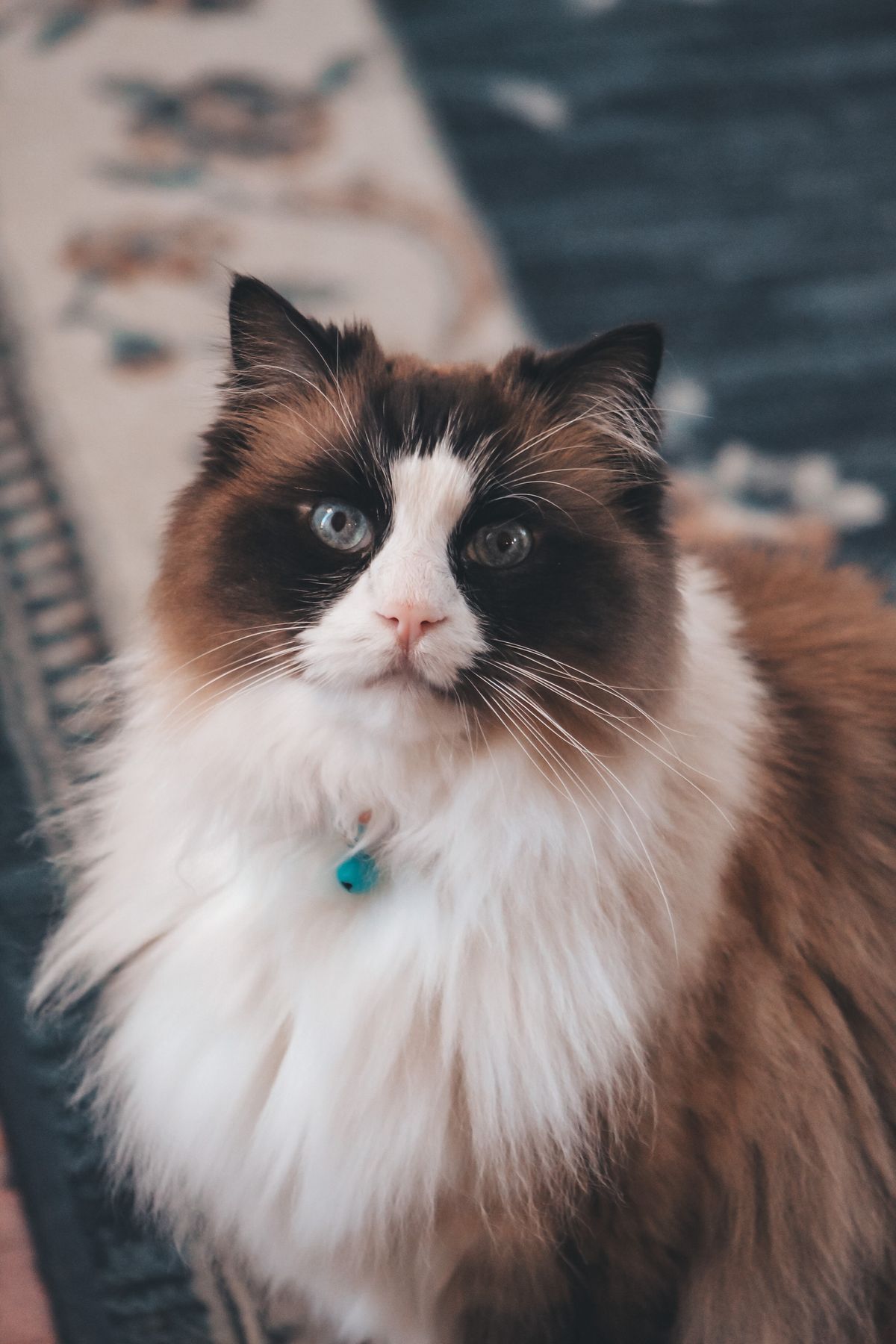
Photo: Pexels / Free for commercial use
Ragdolls are one of the largest and most popular cat breeds in the world — known for their striking blue eyes, silky semi-long coat, and uniquely docile temperament. Their name comes from their tendency to go limp when picked up, like a ragdoll. While they are generally healthy cats with a calm disposition, Ragdolls carry a significant genetic risk for hypertrophic cardiomyopathy (HCM) — a heart condition that can be fatal without early detection. This guide gives Ragdoll owners the knowledge to monitor their cat's health proactively.
Breed Overview
Ragdolls are a large, semi-longhaired breed developed in California in the 1960s by breeder Ann Baker. They are one of the largest domestic cat breeds, with males commonly exceeding 7–9 kg at full maturity. Ragdolls reach full size slowly — they are not fully mature until age 4. They are known for being sociable, gentle, and unusually tolerant of handling, making them excellent family cats. They are typically quiet, low-energy compared to many breeds, and strongly people-oriented. Their semi-long coat is surprisingly easy to maintain compared to fully longhaired breeds like Persians.
Lifespan
12 – 17 years
Adult weight (male)
6.8 – 9.0 kg
Adult weight (female)
4.5 – 6.8 kg
Full maturity age
3 – 4 years
Coat type
Semi-long, silky, low-mat
Energy level
Low to moderate
HCM genetic risk
High — DNA testing recommended
HCM Screening — The Most Important Action for Ragdoll Owners
Annual echocardiogram (heart ultrasound) by a board-certified veterinary cardiologist is the only reliable way to detect HCM early. A standard vet stethoscope check is not sufficient — many cats with significant HCM have no audible heart murmur. Recommended schedule: First echo at age 2, then annually until age 6, then every 6 months from age 6+. DNA testing for the MYBPC3 A31P mutation — while not definitive — provides additional risk information. Positive mutation status means heightened vigilance; negative mutation does not mean the cat cannot develop HCM.
Healthy Weight Ranges by Age & Sex
Ragdolls grow slowly and reach full size between ages 3 and 4. Weight assessment must account for age — a 2-year-old Ragdoll will naturally weigh less than a fully mature 4-year-old. Do not compare against non-breed-specific weight charts.
| Age | ♂ Male | ♀ Female |
|---|---|---|
| 3 months | 1.0 – 1.5 kg | 0.8 – 1.2 kg |
| 6 months | 2.5 – 3.5 kg | 2.0 – 3.0 kg |
| 1 year | 4.0 – 6.0 kg | 3.0 – 4.5 kg |
| 2 years | 5.5 – 7.5 kg | 3.8 – 5.5 kg |
| 3–4 years (full adult) | 6.8 – 9.0 kg | 4.5 – 6.8 kg |
| Senior (8+ years) | 6.0 – 8.5 kg | 4.0 – 6.5 kg |
⚠ Unneutered males can exceed 9 kg and still be healthy. Ragdolls can look deceptively large due to their thick coat — always assess by hand. Their large frame means they can carry more weight than smaller breeds while still appearing normal; body condition scoring by touch is essential.
Body Condition Scoring for Ragdolls
The Ragdoll's semi-long coat can obscure body condition. Hands-on assessment is essential — always part the coat before evaluating. Target BCS 4–5 on a 9-point scale.
Ribs, spine, and hip bones felt with no fat cover, even through the coat. Significant muscle wasting. May indicate underlying illness — kidney disease, hyperthyroidism, or HCM-related muscle loss. Uncommon in young adult Ragdolls.
Ribs felt easily through coat with light finger pressure, with a thin layer of fat. Waist discernible by hand behind the ribcage. Slight abdominal tuck. Cat moves comfortably and can groom all body areas. This is the target for all Ragdolls.
Ribs require moderate pressure to feel through fat and coat. Waist absent or barely detectable. Rounded abdomen that may sway when walking. Cat may have reduced grooming reach. Common in neutered indoor Ragdolls — address with portion control.
Ribs cannot be felt. No waist. Heavy fat deposits on neck, back, and abdomen. Cat cannot groom lower body, leading to mat formation. Significant joint stress and increased HCM risk. Urgent dietary intervention and veterinary guidance needed.
How to Check Your Ragdoll's BCS at Home
- 1Part the coat along the sides and run both hands firmly along the ribcage — ribs should be felt with light pressure
- 2Run a hand along the spine — vertebrae should be palpable but not sharp or prominent
- 3Feel the area at the base of the tail — a thin fat pad is normal; significant fat deposits indicate overweight
- 4Look and feel for a waist behind the ribcage when viewed from above
- 5Check if your Ragdoll can groom their lower back and hindquarters comfortably
- 6Weigh monthly and track trends — Ragdolls should not gain significant weight after age 4
- 7Use PawScan's photo scan for an AI-generated body condition assessment
Check Your Ragdoll's Body Condition Score
Upload a clear photo of your Ragdoll for an instant AI body condition score, breed confirmation, and personalized nutrition insights — in under 30 seconds.
Scan your cat nowCommon Health Issues in Ragdoll Cats
Ragdolls are generally healthy cats, but they carry specific genetic vulnerabilities that all owners must know and monitor.
Hypertrophic Cardiomyopathy (HCM) — Most Critical
CriticalHCM is the most important health issue in Ragdolls. It causes thickening of the heart muscle, reducing the heart's ability to pump blood effectively. Ragdolls carry a specific genetic mutation (MYBPC3 A31P) associated with HCM — though the mutation does not guarantee disease, and the disease can occur in cats without the mutation. HCM can develop silently for years before symptoms appear. Symptoms when they occur: rapid or labored breathing, open-mouth breathing, lethargy, collapse, sudden death. Annual cardiac screening by a board-certified cardiologist is strongly recommended for all Ragdolls from age 2. DNA testing for the HCM mutation is available and recommended for all Ragdolls and their breeders.
Polycystic Kidney Disease (PKD)
High prioritySome Ragdoll lines carry PKD — a hereditary condition where fluid-filled cysts develop in the kidneys, progressively impairing function. Responsible breeders DNA test for PKD. Always ask for PKD-negative certification when purchasing or adopting a Ragdoll. Annual kidney blood panels from age 5 are recommended for all Ragdolls, and earlier if PKD status is unknown.
Arthritis & Joint Issues
High priorityRagdolls' large body size puts significant stress on their joints, making them more prone to degenerative joint disease (arthritis) as they age — particularly in the hips and elbows. Signs include reduced jumping, stiffness after rest, reluctance to use stairs, and changes in grooming habits (inability to reach certain areas). Maintaining an ideal body weight is the most impactful preventive measure. Joint supplements (glucosamine, omega-3s) and prescription pain management from age 8+ may improve quality of life significantly.
Periodontal Disease
MonitorRagdolls are prone to tartar accumulation and gum disease, which — if untreated — can lead to tooth loss, chronic pain, and bacterial spread to the heart (subacute bacterial endocarditis), worsening any underlying heart condition. Daily toothbrushing is ideal; at minimum, annual professional dental cleaning under anesthesia is recommended. Note: dental anesthesia in Ragdolls with HCM requires specialist cardiac clearance beforehand.
Feline Infectious Peritonitis (FIP) Susceptibility
MonitorSome research suggests Ragdolls may have higher susceptibility to FIP — a typically fatal inflammatory disease caused by a mutated form of feline coronavirus. FIP is not directly contagious but is more common in multi-cat households. Keeping Ragdolls indoors, limiting exposure to unknown cats, and maintaining immune health through good nutrition are the key preventive measures. A vaccine and effective treatment (antiviral medication) are now available in many countries — discuss with your vet.
Bladder Stones & Urinary Issues
MonitorRagdolls are reported to have higher incidence of urinary tract issues including bladder stones (particularly calcium oxalate crystals) and feline idiopathic cystitis (FIC — stress-related bladder inflammation). Signs include straining to urinate, blood in urine, frequent trips to the litter box, and crying in pain. Male cats with urinary blockage require emergency treatment. Wet food diet significantly reduces urinary risk.
Grooming Guide for Ragdolls
Ragdolls are easier to groom than fully longhaired breeds, but still require regular maintenance to keep their semi-long coat in good condition.
Brushing (2–3 times per week minimum)
Use a stainless steel comb or slicker brush. Ragdoll coats are less prone to matting than Persian coats, but still tangle in high-friction areas: armpits, behind the ears, groin, and collar area. Brush more frequently during spring and autumn shedding seasons — Ragdolls shed significantly twice a year.
Bathing (every 4–6 weeks)
Ragdolls are unusually tolerant of water and often accept bathing more readily than other breeds. Regular bathing keeps the coat clean, reduces shedding, and helps manage allergens. Use a cat-specific shampoo — never human shampoo. Dry thoroughly afterwards to prevent chill.
Nail trimming (every 2–3 weeks)
Ragdolls' nails grow quickly. Trim fortnightly to prevent curling into paw pads. Their calm temperament usually makes nail trimming straightforward.
Dental care (daily brushing ideal)
Given their periodontal disease risk — and the connection between dental disease and heart health — daily toothbrushing with cat-specific toothpaste is strongly recommended. Introduce gradually from kittenhood.
Ear cleaning (monthly)
Check ears monthly for wax buildup, redness, or odor. Clean with a veterinary ear cleaner and cotton pad — never cotton swabs inside the ear canal. Ragdolls with recurring ear issues should be assessed for ear mites or infection.
Nutrition for Ragdoll Cats
High-quality animal protein
Ragdolls need protein to maintain their large muscle mass, especially as they age. Choose foods where a named animal protein (chicken, turkey, salmon) is the first ingredient. Aim for 30–40% protein on a dry matter basis. Avoid foods relying on plant proteins as primary sources.
Wet food for heart and kidney health
Given Ragdolls' HCM and PKD risk, maximizing water intake through wet food is strongly recommended. Wet food also reduces urinary stone risk. Aim for at least 50% of calories from wet food. A cat water fountain further supports hydration.
Controlled phosphorus from middle age
Whether or not your Ragdoll has PKD, moderating dietary phosphorus from age 5–6 supports long-term kidney health. Avoid foods with multiple phosphate additives. Ask your vet about transitioning to a kidney-supportive diet at early signs of kidney function decline.
Taurine — non-negotiable
Taurine is essential for feline heart function. Deficiency contributes to dilated cardiomyopathy. All commercial cat foods are required to contain taurine — but for Ragdolls with HCM risk, confirm it is listed and consider additional taurine supplementation (discuss with your vet).
Omega-3 fatty acids (EPA & DHA)
Fish oil-derived omega-3s have anti-inflammatory properties and support heart, kidney, joint, and coat health. Particularly valuable for Ragdolls given their multi-system disease risks. Typical supplementation: 50–100mg EPA+DHA daily — ask your vet for specific dosing.
Strict portion control after neutering
Neutered Ragdolls have significantly reduced calorie needs but often retain a large appetite. Without portion control, weight gain is common — and excess weight dramatically worsens joint stress and HCM risk. Measure every meal; never free-feed a Ragdoll.
Lifespan & Senior Care
Ragdolls typically live 12–17 years. Senior status begins around age 8–10. Key milestones for proactive care: annual cardiac echo from age 2, kidney blood panels from age 5, biannual vet visits from age 8, joint assessment and pain management discussion from age 8–10. HCM remains the primary cause of premature death in Ragdolls — early detection through regular echocardiography gives the best chance of medical management and prolonged quality of life.
Preventive Care Checklist
Kitten (0–1 year)
- ✓Core vaccinations and parasite prevention
- ✓HCM DNA test (MYBPC3) — request from breeder or test independently
- ✓PKD DNA certification from breeder — verify negative status
- ✓Establish daily dental brushing routine from week 1
- ✓Baseline health exam and bloodwork at 6 months
Adult (1–7 years)
- ✓Annual wellness exam
- ✓Annual echocardiogram from age 2 — board-certified cardiologist preferred
- ✓Annual kidney bloodwork from age 5 (creatinine, SDMA, phosphorus)
- ✓6-monthly weight and BCS assessment
- ✓Professional dental cleaning annually or as needed
Senior (8+ years)
- ✓Biannual vet visits
- ✓Echocardiogram every 6 months
- ✓Kidney panel every 6 months
- ✓Joint assessment — discuss pain management if mobility reduces
- ✓Senior bloodwork including thyroid panel
- ✓Monitor appetite, weight, and grooming behavior closely
Frequently Asked Questions
Do all Ragdolls get heart disease?▾
No — not all Ragdolls develop HCM, and not all Ragdolls carry the associated genetic mutation. However, Ragdolls have a significantly higher HCM prevalence than the general cat population. Studies suggest 15–30% of Ragdolls may develop HCM during their lifetime. Regular echocardiographic screening is the only way to detect the disease early, as many affected cats show no symptoms until the disease is advanced.
How big do Ragdoll cats get?▾
Ragdolls are one of the largest domestic cat breeds. Adult males typically weigh 6.8–9 kg (15–20 lbs); females 4.5–6.8 kg (10–15 lbs). They reach full size slowly — most are not fully mature until age 3–4. Do not be alarmed if your 1–2 year old Ragdoll seems smaller than expected; they continue growing for years.
Are Ragdolls high maintenance?▾
Moderately. Their semi-long coat requires brushing 2–3 times per week and occasional bathing, but is far less demanding than a Persian's coat. The greater maintenance commitment is veterinary: annual heart echos, regular kidney monitoring, and dental care require more proactive vet engagement than most breeds. Their temperament makes all handling — grooming, vet visits, nail trimming — unusually easy.
Should I get my Ragdoll's heart tested?▾
Yes — absolutely. Annual echocardiogram by a board-certified veterinary cardiologist from age 2 is the single most important health investment for a Ragdoll. A standard vet stethoscope check is not sufficient to rule out HCM. In addition, DNA testing for the MYBPC3 A31P mutation provides supplemental risk information, though a negative test does not mean the cat is risk-free.
What is the lifespan of a Ragdoll cat?▾
Ragdolls typically live 12–17 years with good care. Their most significant longevity risk is HCM — early detection and management can significantly extend a good-quality life. Cats with HCM that is caught early and managed with medication (atenolol, diltiazem, or clopidogrel) often live several additional years beyond initial diagnosis.
This article is for educational purposes only. Always consult a licensed veterinarian for medical advice specific to your pet.