Persian Cat: Complete Health Guide
Everything Persian cat owners need to know — breathing care, eye discharge, grooming, common health conditions, and how to keep your Persian healthy for life.
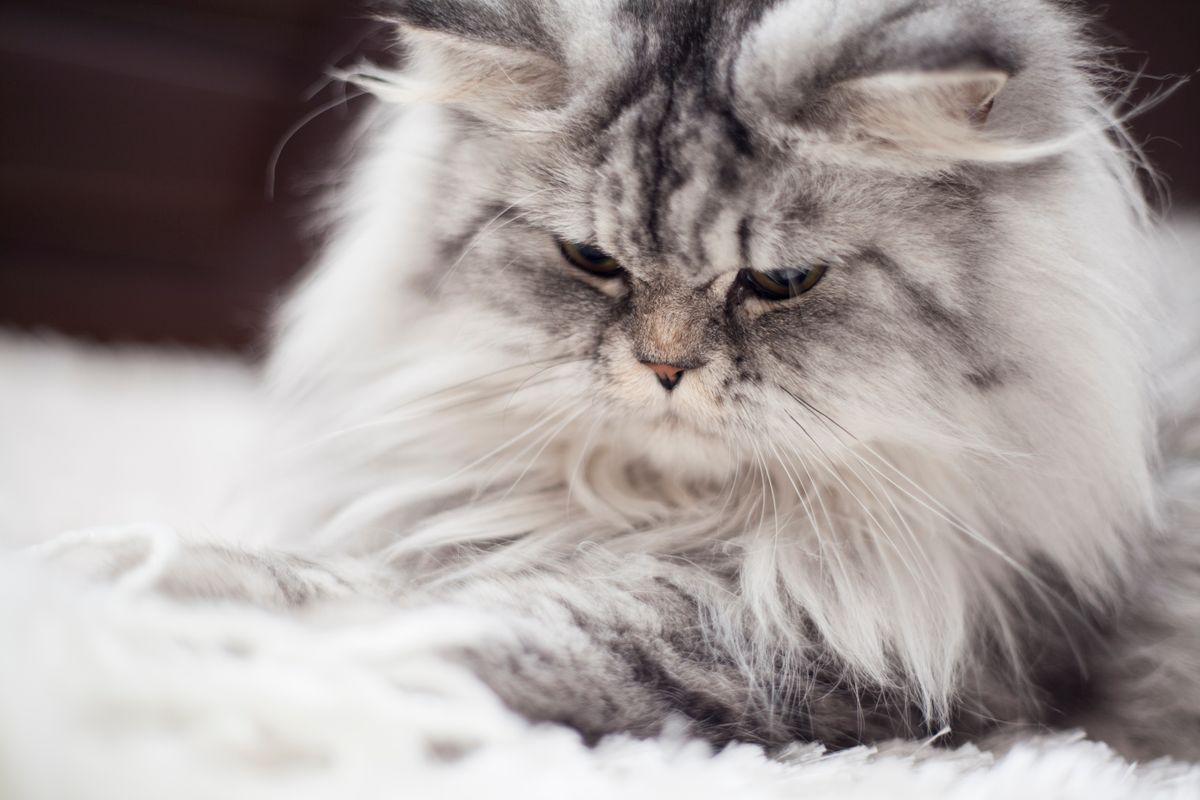
Photo: Pexels / Free for commercial use
Persian cats are one of the oldest and most recognizable cat breeds in the world — prized for their luxurious long coats, calm temperament, and distinctive flat faces. Like French Bulldogs in the dog world, their unique appearance comes with significant health responsibilities. Persians require more daily care than almost any other cat breed, and owners who understand their specific needs give their cats a dramatically better quality of life.
Breed Overview
Persians are a medium to large brachycephalic cat breed with a long, dense double coat, short legs, stocky body, and flat (peke-face or traditional doll-face) facial structure. Adults typically weigh 3.5–7 kg. They are known for being quiet, gentle, and affectionate — preferring calm environments and indoor living. Their coat requires daily grooming to prevent matting, and their flat face requires daily cleaning. Persians are not particularly active and are well-suited to apartment life.
Healthy Weight Ranges by Age & Sex
Persian cats are prone to weight gain due to their low activity level. Obesity worsens their breathing and significantly increases kidney disease risk.
| Age | ♂ Male | ♀ Female |
|---|---|---|
| 3 months | 0.8 – 1.2 kg | 0.7 – 1.0 kg |
| 6 months | 1.8 – 2.5 kg | 1.5 – 2.2 kg |
| 1 year | 3.0 – 4.5 kg | 2.5 – 3.8 kg |
| Adult (1–8 years) | 4.0 – 6.0 kg | 3.5 – 5.5 kg |
| Senior (8+ years) | 3.5 – 5.5 kg | 3.0 – 5.0 kg |
⚠ Persians with a dense coat can look larger than they are — always assess by feel, not appearance. Run your hands along the ribcage to assess fat cover. A Persian that cannot groom their hindquarters or lower abdomen may be overweight.
Body Condition Scoring for Persian Cats
The Persian's thick coat makes visual BCS assessment nearly impossible. Hands-on assessment is the only reliable method. Target BCS 4–5 on a 9-point scale.
Ribs, spine, and hip bones clearly felt with no fat cover. Muscle wasting visible despite coat. May indicate underlying illness — kidney disease, hyperthyroidism, or dental pain often cause weight loss in Persians.
Ribs felt easily with a thin layer of fat. Waist discernible by hand behind ribcage. Slight abdominal tuck felt when running hands along belly. Cat can groom all body areas comfortably.
Ribs felt with moderate pressure. Waist not discernible. Rounded belly that may swing when walking. Cat may struggle to groom hindquarters or back. Common in indoor Persians — address with portion control.
Ribs cannot be felt under fat. No waist. Heavy fat deposits on abdomen, back, and neck. Cat unable to groom lower body, leading to matting and hygiene issues. Significant breathing compromise. Urgent veterinary support needed.
How to Check Your Persian's BCS at Home
- 1Part the coat and run both hands firmly along both sides of the ribcage — you should feel ribs with slight pressure
- 2Run your hand along the spine — individual vertebrae should be felt but not prominent
- 3Feel the area around the tail base — minimal fat padding is normal; significant fat deposits indicate overweight
- 4Check if your Persian can groom their lower back and hindquarters — inability to do so suggests overweight
- 5Weigh monthly and track trend — consistent gain over 3+ months warrants dietary adjustment
- 6Use PawScan's photo scan to get an AI body condition assessment
Check Your Persian's Body Condition Score
Upload a clear photo of your Persian cat for an instant AI-generated body condition score, breed confirmation, and personalized nutrition insights — even through that beautiful coat.
Scan your cat nowCommon Health Issues in Persian Cats
Persian cats are predisposed to several serious and chronic health conditions. Many are manageable with early detection and consistent daily care.
Brachycephalic Obstructive Airway Syndrome (BOAS)
CriticalLike French Bulldogs, flat-faced Persians suffer from BOAS — narrowed nostrils, elongated soft palate, and restricted airflow. Symptoms include noisy breathing, snoring, open-mouth breathing (concerning in cats), exercise intolerance, and blue gums in severe cases. Flat-faced (peke-face) Persians are more severely affected than traditional doll-face Persians. Surgical correction of narrow nostrils can significantly improve breathing. Keep Persians in cool, air-conditioned environments.
Eye Discharge & Epiphora
CriticalThe flat face causes abnormal tear duct positioning, leading to constant tearing and brown-red staining around the eyes (epiphora). The wet skin under the eyes develops painful skin fold dermatitis if not cleaned daily. In addition, Persians are prone to corneal sequestrum (dark pigment deposits on the cornea), entropion (inward-rolling eyelids), and corneal ulcers. Daily eye cleaning with a damp cotton pad or veterinary eye wipe is non-negotiable. Any sudden change in eye appearance, squinting, or cloudiness warrants immediate vet attention.
Polycystic Kidney Disease (PKD)
CriticalPKD is a hereditary condition causing fluid-filled cysts to form in the kidneys, progressively impairing kidney function. It is extremely common in Persians — historically affecting up to 38% of the breed before DNA testing became widespread. Responsible breeders DNA test for PKD1 mutation; always ask breeders for PKD-negative certificates. There is no cure — management focuses on supporting kidney function through diet, hydration, and medication as the disease progresses. Annual kidney blood panels from age 4 are recommended.
Coat Matting & Skin Problems
High priorityThe Persian's long double coat mats rapidly without daily grooming. Severe matting pulls painfully on the skin, causes sores, and can conceal wounds or parasites. Daily brushing with a slicker brush and wide-tooth metal comb is mandatory. Professional grooming every 4–6 weeks is strongly recommended. If a coat becomes severely matted, professional shaving under sedation may be necessary. Never cut mats with scissors — you can easily cut the underlying skin.
Dental & Jaw Problems
High priorityThe compressed skull causes dental crowding and jaw misalignment (malocclusion). This leads to accelerated tartar accumulation, gum disease, and difficulty eating. Persians often have underbites which can cause food to fall from the mouth during eating. Daily toothbrushing and annual professional dental cleaning are essential. Provide appropriately sized kibble or wet food if jaw conformation makes eating difficult.
Hypertrophic Cardiomyopathy (HCM)
High priorityHCM — thickening of the heart muscle — occurs in Persians at higher rates than in mixed-breed cats. It can develop silently with no symptoms until advanced stages. Signs include rapid breathing, lethargy, loss of appetite, and in severe cases, sudden collapse. Annual cardiac auscultation by a vet and echocardiogram screening from age 5 are recommended.
Heat Sensitivity
High priorityThe combination of a compromised airway and a dense insulating coat makes Persians extremely heat-sensitive. They must always have access to cool, air-conditioned spaces. Never leave a Persian in a warm room, car, or outdoor enclosure in warm weather. Signs of overheating: open-mouth breathing, drooling, distress, and rapid breathing — this is always an emergency in cats.
Daily Grooming — The Most Important Routine for Persian Owners
Coat brushing (daily)
Use a wide-tooth metal comb first to detect tangles, followed by a slicker brush. Start from the roots, not the tips. Work in sections. Brush in the direction of hair growth. Pay special attention to the armpits, behind the ears, and under the collar — these areas mat fastest.
Eye cleaning (daily)
Use a damp cotton pad or veterinary eye wipe to gently clean discharge from the inner corner of each eye and the surrounding skin fold. Use a separate pad for each eye. Dry the area gently after cleaning. Persistent or coloured discharge, or any change in the eye itself, warrants a vet visit.
Facial fold cleaning (daily)
The nose fold above the nose leather traps moisture and debris. Clean with a veterinary wipe or damp cotton pad and dry thoroughly. Signs of fold infection: redness, odor, and the cat rubbing their face.
Nail trimming (every 2–3 weeks)
Persian cats' nails grow quickly and can curl into paw pads if untrimmed — a painful condition. Trim fortnightly with cat nail clippers. If you see the cat limping or hear clicking on hard floors, check the nails.
Professional grooming (every 4–6 weeks)
Even with daily home brushing, professional grooming is strongly recommended to manage coat length, check for hidden skin issues, and address any matting. Many Persian owners opt for a 'lion cut' in summer to reduce heat stress and grooming workload.
Nutrition for Persian Cats
Wet food for kidney health
Persians are predisposed to kidney disease. Wet food significantly increases water intake, which supports kidney function. Aim for at least 50% of the diet from wet food, or supplement dry food with water. A cat water fountain can also encourage drinking.
Appropriate kibble shape
Persians have difficulty picking up and chewing standard round kibble due to their flat face and jaw structure. Look for flat or almond-shaped kibble designed for brachycephalic cats. Some Persians do better on wet food exclusively.
Kidney-supportive diet from middle age
Given the high PKD prevalence, ask your vet about transitioning to a kidney-supportive diet from age 5–6, even before kidney disease is diagnosed. These diets are lower in phosphorus and support kidney function.
Hairball control
Daily grooming ingests significant quantities of hair. Hairball-control food or regular malt-based hairball paste helps move ingested hair through the digestive tract. Signs of hairball problems: retching without producing a hairball, constipation, and reduced appetite.
Strict portion control
Persians are low-activity cats prone to weight gain. Measure every meal — never free-feed. Use a puzzle feeder to slow eating and provide mental stimulation.
Preventive Care Checklist
Kitten (0–1 year)
- ✓Core vaccinations and parasite prevention
- ✓PKD DNA test result from breeder — verify negative status
- ✓Establish daily grooming routine from week 1
- ✓BOAS assessment at 12 months — discuss corrective surgery if needed
- ✓Dental check at 6 months
Adult (1–8 years)
- ✓Annual wellness exam
- ✓Annual kidney blood panel from age 4 (creatinine, BUN, phosphorus)
- ✓Eye exam if discharge changes or eye cloudiness noted
- ✓6-monthly weight and BCS assessment
- ✓Professional grooming every 4–6 weeks
Senior (8+ years)
- ✓Biannual vet visits
- ✓Kidney panel every 6 months if PKD diagnosed or suspected
- ✓Cardiac auscultation and echo from age 5
- ✓Senior dental cleaning annually
- ✓Monitor appetite and weight — unexplained loss warrants bloodwork
Frequently Asked Questions
Why does my Persian cat have so much eye discharge?▾
Eye discharge (epiphora) is extremely common in Persian cats due to their flat facial structure causing abnormal tear duct positioning. Daily cleaning is necessary to prevent skin infection in the facial folds. If the discharge is colored (green, yellow), thick, or associated with squinting or cloudiness, see your vet promptly as this may indicate infection or corneal damage.
How often should I groom my Persian cat?▾
Every single day, without exception. The Persian's long double coat mats rapidly — even 24–48 hours without brushing can result in tangles in mat-prone areas. Use a wide-tooth metal comb first to detect tangles, followed by a slicker brush. Professional grooming every 4–6 weeks complements but does not replace daily home brushing.
What is PKD in Persian cats?▾
Polycystic Kidney Disease (PKD) is a hereditary condition causing fluid-filled cysts to develop in the kidneys. It was historically very common in Persians, affecting up to 38% of the breed. DNA testing for the PKD1 mutation is now widely available, and responsible breeders screen for it. If you have a Persian, ask your vet about annual kidney blood panels from age 4 to monitor kidney function.
Are Persian cats good with children and other pets?▾
Persian cats are gentle and tolerant but prefer calm environments. They are generally good with gentle children and other calm pets. They can be stressed by very active children, loud environments, or boisterous dogs. Their grooming needs and health requirements make them better suited to households where someone is home regularly and can provide consistent daily care.
What is the lifespan of a Persian cat?▾
Persian cats typically live 12–17 years with proper care. Those affected by PKD or other hereditary conditions may have shorter lifespans depending on disease severity. Flat-faced Persians generally have more health complications than traditional doll-face Persians. Consistent daily care, weight management, and regular vet check-ups are the most impactful factors in longevity.
This article is for educational purposes only. Always consult a licensed veterinarian for medical advice specific to your pet.