Munchkin Cat: Complete Health Guide
Everything Munchkin owners need to know — short-leg anatomy, bone and joint health, weight management, hereditary concerns, and how to keep your Munchkin healthy for life.
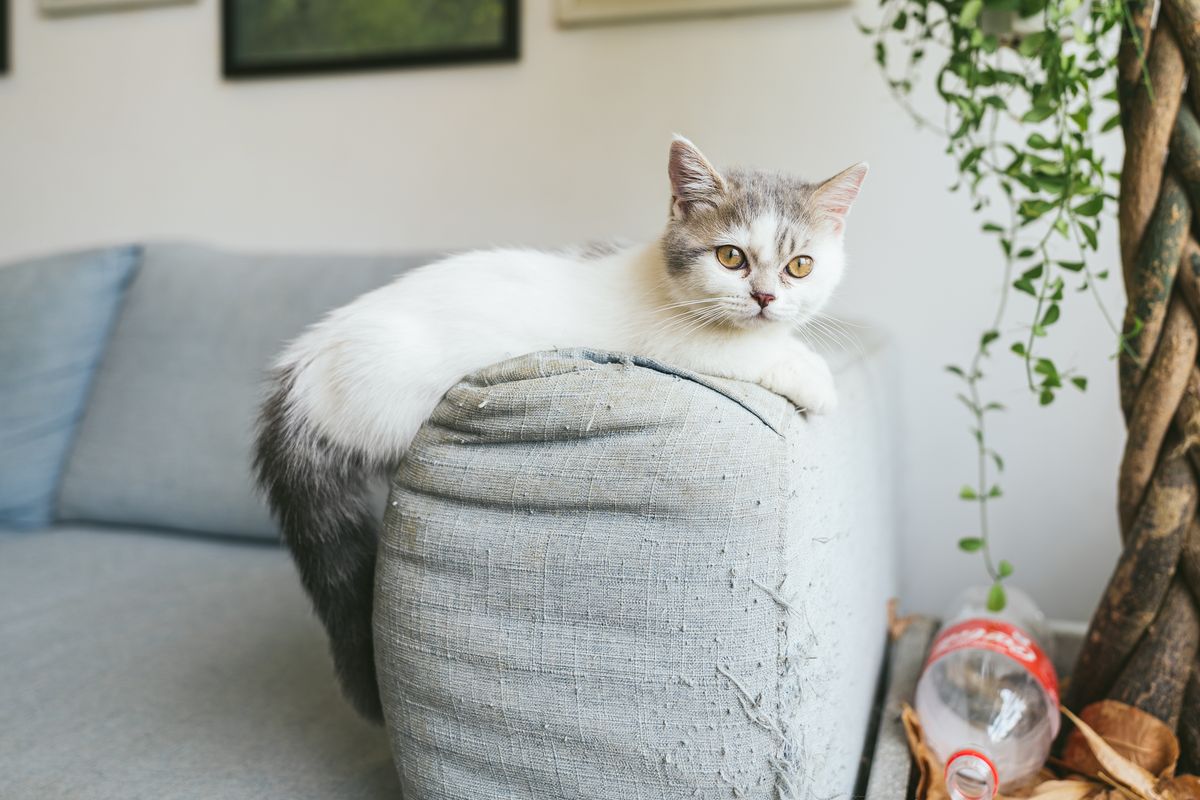
Photo: Pexels / Free for commercial use
The Munchkin is one of the most distinctive — and most debated — cat breeds in the world. Their characteristic short legs are caused by a naturally occurring genetic mutation affecting long bone growth (pseudoachondroplasia), first documented in a stray cat in Louisiana in 1983 and selectively bred since. Munchkins are affectionate, playful, and remarkably adaptable to their short stature — most live full, active lives with minimal mobility limitations. However, the genetic mutation that creates their appearance also comes with specific health considerations that every Munchkin owner needs to understand. This guide covers all of it.
Breed Overview
Munchkins are a small-to-medium domestic cat breed recognized by TICA (The International Cat Association) but not by the Cat Fanciers' Association (CFA), which refuses to recognize breeds based on genetic mutations that may compromise welfare. They come in both short-haired and long-haired varieties and in virtually any coat color or pattern. Despite their short legs, Munchkins are agile, fast on straightaways, and can jump — though not as high as standard cats. They have an outgoing, confident temperament, are highly social, and tend to get along well with children and other pets. Munchkins are sometimes called the 'dachshunds of the cat world' — a comparison that extends beyond appearance to some shared health considerations.
Lifespan
12 – 15 years
Adult weight (male)
3.5 – 4.5 kg
Adult weight (female)
2.5 – 3.5 kg
Height (shoulder)
15 – 20 cm
Leg length
Significantly shorter than standard
Body type
Semi-cobby, normal length torso
Recognised by
TICA (not CFA)
Understanding the Munchkin's Short Legs — The Science
The Munchkin's short limbs are caused by a dominant mutation in the UGDH gene that affects the development of long bones (the femur, tibia, humerus, and radius). Crucially, this is different from the achondroplasia seen in dogs like Dachshunds and Corgis — in Munchkins, the mutation causes shortened long bones but does not typically affect skull shape, joint structure, or intervertebral disc composition in the same way. The mutation is autosomal dominant and homozygous-lethal: two copies of the mutation are incompatible with life, meaning all living Munchkins carry only one copy (heterozygous). This means Munchkin × Munchkin litters will always contain approximately 25% standard-length kittens alongside Munchkin-type kittens. The ethical concern is the homozygous-lethal nature of the gene — some welfare organizations oppose the breed on this basis.
Healthy Weight Ranges by Age
Weight management is particularly important for Munchkins because even modest excess weight places disproportionate stress on their short-limbed skeletal structure and increases the risk of spinal and joint problems. Their short legs make obesity more visually obvious — but also means the health consequences of excess weight are more severe than in standard cats.
| Age | ♂ Male | ♀ Female |
|---|---|---|
| 3 months | 0.9 – 1.4 kg | 0.7 – 1.2 kg |
| 6 months | 1.8 – 2.5 kg | 1.4 – 2.0 kg |
| 1 year (adult) | 3.0 – 4.2 kg | 2.2 – 3.2 kg |
| Adult (1–10 years) | 3.5 – 4.5 kg | 2.5 – 3.5 kg |
| Senior (10+ years) | 3.0 – 4.0 kg | 2.2 – 3.2 kg |
⚠ Munchkins are fully grown by 9–12 months. Their dense, low-slung body makes visual weight assessment difficult — always use hands-on body condition scoring. Even 200–300g above ideal is significant for a small cat with a short-limbed skeleton.
Body Condition Scoring for Munchkins
Standard BCS methods apply to Munchkins but require adaptation — their short legs mean the belly may appear closer to the ground than in standard cats, which can make a healthy weight look 'heavier' visually. Always assess by touch. Target BCS 4–5 on a 9-point scale.
Ribs, spine, and pelvis easily visible and felt with no fat cover. Muscle wasting visible. In Munchkins, underweight is concerning for skeletal development in kittens and for underlying illness in adults — investigate promptly.
Ribs felt with light finger pressure, with a thin fat layer. Clear waist behind ribcage when viewed from above. Slight abdominal tuck. In Munchkins, the belly will be closer to the ground than standard cats — this is normal anatomy, not fat. Assess ribs and spine, not belly clearance.
Ribs require firm pressure through fat layer. Waist indistinct or absent from above. Rounding at flanks and abdomen. In Munchkins, this level of overweight places significant stress on the spine and short limb joints. Dietary intervention needed.
Ribs not palpable. No waist. Heavy fat deposits at neck, shoulders, and abdomen. Significantly worsens any spinal or joint disease in Munchkins. Urgent veterinary-supervised weight management needed.
How to Check Your Munchkin's BCS at Home
- 1Run both hands firmly along the ribcage — press inward with fingers. You should feel individual ribs with light pressure but not see them
- 2Feel along the spine from neck to tail — individual vertebrae should be palpable but not sharp or prominent
- 3Look from directly above for a waist narrowing behind the ribcage — Munchkins have a slight waist even at ideal weight
- 4Note: do NOT use belly clearance from the ground as a weight indicator in Munchkins — their short legs make low belly carriage normal anatomy
- 5Feel the base of the tail and behind the shoulders for fat pad accumulation
- 6Weigh monthly on a kitchen scale — record and track trends
- 7Use PawScan's photo scan for an AI body condition assessment
Check Your Munchkin's Body Condition Score
Upload a photo of your Munchkin for an instant AI body condition score — specially important for this breed where maintaining ideal weight directly impacts joint and spinal health. Track changes month to month.
Scan your cat nowCommon Health Issues in Munchkin Cats
Munchkins are generally healthy cats with a lifespan comparable to standard domestic cats. However, their unique anatomy creates specific vulnerabilities that owners need to monitor proactively.
Lordosis (Spinal Curvature)
CriticalLordosis — excessive inward curvature of the spine in the lower back — is the most significant hereditary structural concern in Munchkins. In mild cases, it causes no symptoms. In moderate to severe cases, it compresses the chest cavity, affecting heart and lung function, and may cause difficulty breathing, reduced exercise tolerance, and in severe cases, shortened lifespan. Lordosis severity varies significantly between individuals. Reputable breeders screen for lordosis before using cats in breeding programs. Signs to watch for: labored breathing with mild exertion, hunched posture, reduced chest expansion.
Pectus Excavatum (Sunken Chest)
High priorityA congenital deformity where the sternum (breastbone) is abnormally depressed, compressing the heart and lungs. More common in Munchkins than in the general cat population. Ranges from mild (cosmetic only, no health impact) to severe (significant cardiopulmonary compromise requiring surgical correction). Signs: flattened chest appearance, labored breathing, exercise intolerance, poor growth in kittens. Mild cases: monitor. Moderate to severe cases: surgical correction (vacuum bell or sternal elevation) may be recommended.
Joint and Limb Problems
MonitorWhile Munchkins generally do not develop the same intervertebral disc disease risk as Dachshunds (because the bone mutation is different), their unusual limb proportions can cause atypical joint loading and gait mechanics. Over time, this may contribute to early osteoarthritis in wrists (carpal joints), elbows, and hips — particularly in overweight Munchkins. The risk is significantly reduced by maintaining ideal body weight throughout life. Regular vet assessments from age 5 to evaluate joint health are recommended.
Hypertrophic Cardiomyopathy (HCM)
CriticalHCM — thickening of the heart muscle — is the most common feline heart disease and is not exclusive to Munchkins, but occurs at a similar or slightly elevated rate compared to the general cat population. HCM causes heart failure, blood clots (aortic thromboembolism — extremely painful and often fatal), and sudden death. It is often silent until advanced. Annual cardiac auscultation (listening for heart murmur) from age 3 and echocardiogram (cardiac ultrasound) from age 5 is recommended for Munchkins, particularly those used in breeding.
Obesity — Amplified Risk in Munchkins
High priorityObesity in Munchkins is more consequential than in standard cats because their short limbs and low-set torso place disproportionate mechanical stress on the spine and joints with even modest excess weight. Overweight Munchkins are significantly more likely to develop early joint disease, spinal problems, and mobility limitations. Weight management is genuinely one of the highest-impact preventive health interventions for this breed.
Dental Disease
MonitorLike most domestic cats, Munchkins are prone to dental disease — tooth resorption, gingivitis, and periodontal disease. Their small, compact jaw can contribute to dental crowding. Daily toothbrushing and annual professional dental cleaning from age 2–3 significantly reduce disease burden. Dental pain is a common hidden cause of reduced appetite, weight loss, and behavioral change in cats.
Kidney Disease (CKD)
High priorityChronic kidney disease is common in all cats over 7 years and Munchkins are no exception. Annual blood and urine panels from age 7 allow early detection. A wet food-predominant diet from kittenhood supports kidney hydration. Signs: increased thirst and urination, weight loss, reduced appetite, vomiting, ammonia-like breath.
Mobility, Exercise & Environmental Adaptations
Munchkins can jump — but with limitations
Munchkins cannot jump as high as standard cats — a 90 cm counter that a regular cat clears easily may be beyond a Munchkin's reach. This is not a welfare concern but an adaptation requirement: provide cat trees and shelves with steps or ramps at graduated heights so your Munchkin can still access vertical space, which is important for feline wellbeing and territory.
Ramps and steps for furniture
Cat ramps or pet steps to access sofas, beds, and other furniture prevent the Munchkin from repeatedly jumping down from heights that stress their short-limbed joints on landing. This is particularly important for overweight Munchkins or those showing any joint stiffness.
Appropriate exercise
Munchkins are playful and need daily interactive play — 2–3 sessions of 10–15 minutes with wand toys, laser pointers, or puzzle feeders. Their low center of gravity makes them surprisingly fast on level ground. Exercise supports healthy weight, joint health, and mental wellbeing. Avoid high-impact repetitive jumping (e.g., games that require repeatedly jumping to height).
Litter box accessibility
A litter box with a low entry point (cut-down side or front) is essential for Munchkins — their short legs make climbing into high-sided boxes difficult and may cause them to avoid the box, leading to litter box avoidance. The litter depth should be moderate — very deep litter can be uncomfortable for a short-legged cat.
Nutrition for Munchkins
Strict portion control
Given the amplified health consequences of obesity in Munchkins, portion control is non-negotiable. Measure every meal with a kitchen scale. Adult Munchkins typically need 180–240 kcal/day (adjust for activity level and whether spayed/neutered). Two structured meals daily — no free feeding.
Wet food for hydration
A wet food-predominant diet supports kidney health (important for all cats), helps maintain urinary tract health, and makes weight management easier (wet food has lower caloric density than dry food per gram). Target at least 50% of calories from wet food; ideally higher.
High protein, moderate fat
Cats are obligate carnivores — choose foods with a named animal protein as the first ingredient. High protein supports muscle mass during weight management. Avoid foods with excessive carbohydrate content (common in low-quality dry foods), which promotes fat accumulation.
Joint-supporting supplements
From age 5–6, or earlier if any joint stiffness is noted, consider glucosamine, chondroitin, and omega-3 (EPA+DHA from fish oil) supplementation. These have anti-inflammatory properties and support joint cartilage health. Discuss dosing with your vet.
Lifespan & Senior Care
Well-cared-for Munchkins typically live 12–15 years — comparable to standard domestic cats. Senior status begins around age 10. Key senior milestones: biannual vet visits from age 10, annual blood panel from age 7 (kidney, thyroid, liver, blood glucose), cardiac auscultation annually from age 3, mobility and joint assessment from age 5, and close monitoring of weight and body condition monthly. Munchkins maintained at ideal weight throughout life have significantly better joint and spinal health in their senior years.
Preventive Care Checklist
Kitten (0–1 year)
- ✓Core vaccinations and parasite prevention
- ✓Lordosis and pectus excavatum assessment at first vet visit
- ✓Establish daily toothbrushing routine from week 1
- ✓Set up ramps and graduated cat trees — begin environmental adaptation
- ✓Begin weight monitoring from first week — track monthly
- ✓Spay/neuter at appropriate age (discuss timing with your vet)
Adult (1–10 years)
- ✓Annual wellness exam
- ✓Cardiac auscultation annually from age 3
- ✓Echocardiogram from age 5
- ✓Monthly weight and BCS check at home
- ✓Annual blood panel from age 7
- ✓Professional dental cleaning annually from age 2–3
- ✓Joint mobility assessment from age 5
Senior (10+ years)
- ✓Biannual vet visits
- ✓Annual blood panel (kidney, thyroid, liver, glucose)
- ✓Cardiac monitoring — echocardiogram every 1–2 years
- ✓Joint pain assessment — discuss pain management options
- ✓Consider senior wet food formula or renal diet if indicated
- ✓Ensure all furniture access points have ramps — jumping becomes harder with age
A Note on Munchkin Ethics & Responsible Breeding
The Munchkin breed is genuinely controversial within the veterinary and animal welfare communities. The CFA refuses to recognize the breed specifically because the defining trait (short limbs) is caused by a genetic mutation that is homozygous-lethal — meaning embryos that inherit two copies of the gene do not survive. Organizations including the British Veterinary Association have expressed concerns about breeding practices that perpetuate traits associated with structural compromise. If you are considering a Munchkin, choose a breeder who: screens breeding cats for lordosis, pectus excavatum, and HCM; does not breed Munchkin × Munchkin exclusively (to allow non-Munchkin kittens in litters); prioritizes health over extreme short-leg phenotype; and provides health guarantees and genetic screening records.
Frequently Asked Questions
Do Munchkin cats have health problems because of their short legs?▾
Munchkins generally live healthy, full lives — their short legs do not cause the same degree of health problems as brachycephaly (flat faces) in cats or dogs. The primary concern is lordosis (spinal curvature), which ranges from absent to severe. The second major concern is that excess weight places disproportionate stress on their short-limbed skeleton. Well-bred Munchkins maintained at healthy weight, with appropriate environmental adaptations, typically experience minimal health limitations from their short stature.
Can Munchkin cats jump?▾
Yes — Munchkins can jump, but not as high as standard cats. Their short legs reduce the mechanical advantage for vertical jumping. Most Munchkins can access low furniture (sofas, beds) and low cat trees with a running start. Higher surfaces require ramps or graduated steps. This is an adaptation rather than a disability — Munchkins compensate with speed on flat surfaces and are generally agile despite their unusual proportions.
Do Munchkin cats have back problems?▾
Munchkins have a somewhat elevated risk of lordosis (spinal curvature), which can cause back problems in moderate to severe cases. However, the spinal disc disease (IVDD) commonly seen in short-legged dogs like Dachshunds is not the same condition, and Munchkins do not have the same type of disc predisposition. Most Munchkins do not have significant back problems, but lordosis screening by a vet and keeping the cat at a healthy weight are important preventive measures.
What is the lifespan of a Munchkin cat?▾
Munchkins typically live 12–15 years — comparable to standard domestic cats. There is no evidence that their genetic mutation significantly shortens their lifespan compared to other cats. The key factors for longevity are weight management, dental care, regular veterinary monitoring, and cardiac screening (HCM can be a silent killer if not detected).
Are Munchkin cats ethical to buy?▾
This is a genuinely contested question in the veterinary world. The CFA and some welfare organizations oppose the breed because the defining gene is homozygous-lethal and the breed's existence depends on a welfare-compromising trait being perpetuated intentionally. Others point out that Munchkins generally live good-quality lives and the health concerns are manageable. If you choose to get a Munchkin, the ethical approach is: adopt from a rescue where possible, choose a health-focused breeder (not one prioritizing extreme short-leg appearance), and commit to appropriate preventive care.
How much do Munchkin cats weigh?▾
Adult male Munchkins typically weigh 3.5–4.5 kg; adult females 2.5–3.5 kg. These are smaller than most other medium-sized cat breeds because their short legs reduce total body length. Weight management is particularly important — even 300–400g above ideal is proportionally significant for a small-framed cat with a short-limbed skeleton.
This article is for educational purposes only. Always consult a licensed veterinarian for medical advice specific to your pet.