Maine Coon: Weight & Body Condition Guide
Everything you need to know about healthy weight ranges, body condition scoring, and nutrition for Maine Coon cats.
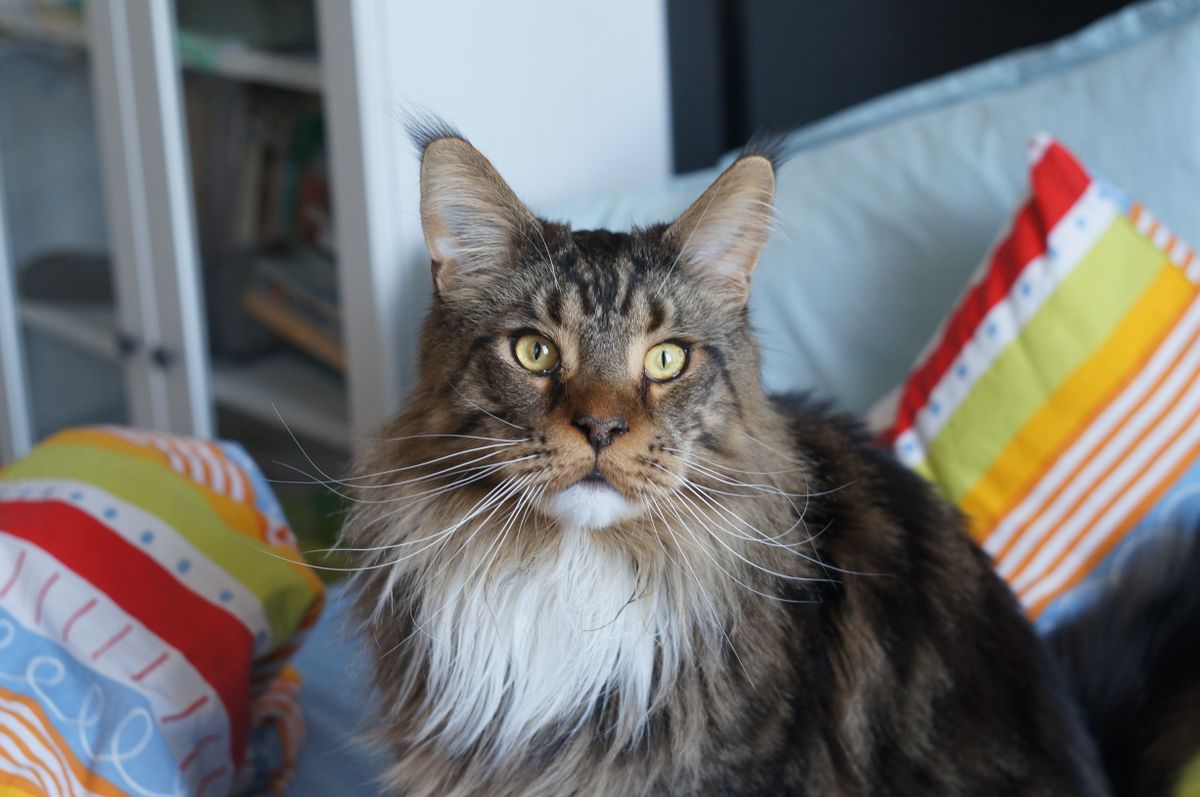
Photo: Pexels / Free for commercial use
Maine Coons are the largest domestic cat breed in the world — so knowing whether your cat is a healthy weight requires breed-specific knowledge, not just a number on the scale. A Maine Coon that looks large may be perfectly healthy; the same size in a smaller breed would be obese. This guide gives you the reference ranges and practical tools to assess your Maine Coon's body condition accurately.
Breed Overview
Maine Coons are a naturally large, semi-longhaired breed originating from North America. They are known for their muscular build, tufted ears, bushy tails, and gentle temperament. Males are significantly larger than females. Maine Coons reach full size later than most breeds — typically between 3 and 5 years of age — so weight assessments should account for age and sex.
Healthy Weight Ranges by Age & Sex
These are general reference ranges for healthy, neutered Maine Coon cats. Individual cats may fall slightly outside these ranges and still be healthy — always combine weight with body condition scoring for the full picture.
| Age | ♂ Male | ♀ Female |
|---|---|---|
| 6 months | 3.0 – 4.5 kg | 2.5 – 3.5 kg |
| 1 year | 5.0 – 7.0 kg | 3.5 – 5.0 kg |
| 2 years | 6.0 – 8.5 kg | 4.0 – 6.0 kg |
| 3–5 years (full adult) | 6.8 – 11.0 kg | 4.5 – 7.0 kg |
| 6+ years (mature) | 6.0 – 10.0 kg | 4.0 – 6.5 kg |
⚠ Unneutered males can exceed 11 kg and still be healthy. If your Maine Coon falls outside these ranges, consult your vet to rule out underlying conditions rather than assuming overweight or underweight.
Body Condition Scoring for Maine Coons
Weight alone is not enough — body condition score (BCS) gives you a more accurate picture. The BCS scale runs from 1 (severely underweight) to 9 (severely obese), with 4–5 being ideal for most cats.
Ribs, spine, and hip bones clearly visible and easily felt with no fat cover. Significant muscle loss visible. Waist severely pinched when viewed from above.
Ribs easily felt with minimal fat cover but not visible. Waist visible behind ribs when viewed from above. Slight abdominal tuck when viewed from the side. This is the target range for Maine Coons.
Ribs felt with difficulty under moderate fat cover. Waist barely visible or absent. Rounded abdomen with no tuck. Some fat deposits over back and at tail base.
Ribs cannot be felt under heavy fat cover. No waist. Significant fat deposits on back, face, and limbs. Distended abdomen may be present. Mobility may be affected.
How to Check Your Maine Coon's BCS at Home
- 1Run your hands along both sides of your cat's ribcage — you should feel individual ribs easily but not see them
- 2Look at your cat from above — there should be a visible waist behind the ribcage
- 3Look from the side — there should be a slight upward tuck of the abdomen
- 4Check for fat deposits at the base of the tail and behind the shoulders
- 5If unsure, use PawScan's photo scan to get an AI-generated body condition score
Check Your Maine Coon's Body Condition Score
Upload a clear photo of your Maine Coon to get an instant AI-generated body condition score, breed confirmation, and personalized nutrition insights — all in under 30 seconds.
Scan your cat nowNutrition Tips for Maine Coons
High protein diet
Maine Coons are muscular cats that thrive on high-quality animal protein. Look for foods where a named protein source (chicken, turkey, salmon) is the first ingredient. Aim for at least 30–40% protein on a dry matter basis.
Watch calorie density
Their large size means Maine Coons need more food than average cats, but overfeeding is still a risk. Use a measured cup and follow feeding guidelines adjusted for their actual weight, not an ideal weight.
Joint support
Large cats are more prone to hip dysplasia and joint issues. Foods enriched with omega-3 fatty acids (EPA and DHA) and glucosamine support joint health. Ask your vet about supplements if your Maine Coon is 5+ years old.
Hydration matters
Maine Coons can be prone to kidney issues in later life. Wet food (or a mix of wet and dry) significantly increases water intake and supports kidney health. A cat water fountain can also encourage drinking.
Slow growth feeding for kittens
Because Maine Coons grow slowly until age 3–5, avoid overfeeding kittens to accelerate growth. Excess weight during development stresses joints and organs. Feed kitten food until 12–18 months, then transition to adult food.
Common Health Issues to Watch For
Hypertrophic Cardiomyopathy (HCM)
The most common hereditary condition in Maine Coons. HCM causes thickening of the heart muscle and can lead to heart failure. Annual cardiac screening by a vet is recommended for all Maine Coons over 2 years old.
Hip Dysplasia
Maine Coons have a higher incidence of hip dysplasia than most breeds. Signs include reluctance to jump, altered gait, or reduced activity. Weight management is critical — excess weight significantly worsens joint stress.
Spinal Muscular Atrophy (SMA)
A genetic condition affecting muscle development, particularly in the hind limbs. DNA testing is available to identify carriers. Affected cats can live normal lifespans with appropriate care.
Periodontal Disease
Like many large breeds, Maine Coons are prone to dental disease. Regular tooth brushing, dental treats, and annual professional cleaning help prevent tartar buildup and gum disease.
Frequently Asked Questions
How big do Maine Coons get?▾
Adult male Maine Coons typically weigh 6.8–11 kg (15–25 lbs) and measure 100–120 cm from nose to tail tip. Females are smaller at 4.5–7 kg (10–15 lbs). They are one of the largest domestic cat breeds in the world.
Is my Maine Coon overweight or just big?▾
The best way to tell is body condition scoring, not weight alone. A large Maine Coon can be perfectly healthy while a smaller one can be overweight. Run your hands along the ribcage — if you can't feel individual ribs, your cat may be carrying excess weight. PawScan's scan tool can give you an instant BCS assessment.
When are Maine Coons fully grown?▾
Maine Coons reach full physical maturity between 3 and 5 years of age — much later than most breeds which are fully grown by 1 year. Don't be alarmed if your 2-year-old Maine Coon is still filling out.
How much should I feed my Maine Coon?▾
Feeding amounts depend on age, weight, activity level, and whether your cat is neutered. As a rough guide, adult Maine Coons typically need 60–80 calories per kg of ideal body weight per day. Divide this across 2–3 meals. Always follow your specific food's feeding guidelines and adjust based on body condition.
Should Maine Coons eat special breed-specific food?▾
Breed-specific foods exist but aren't strictly necessary. What matters more is high protein content, appropriate calorie density for their size, and support for joints and coat health. Look for foods with named protein sources, omega-3 fatty acids, and taurine.
This article is for educational purposes only. Always consult a licensed veterinarian for medical advice specific to your pet.