British Shorthair: Complete Health Guide
Everything British Shorthair owners need to know — heart health, ideal weight, obesity prevention, hereditary conditions, and how to keep your British Shorthair thriving for 15+ years.
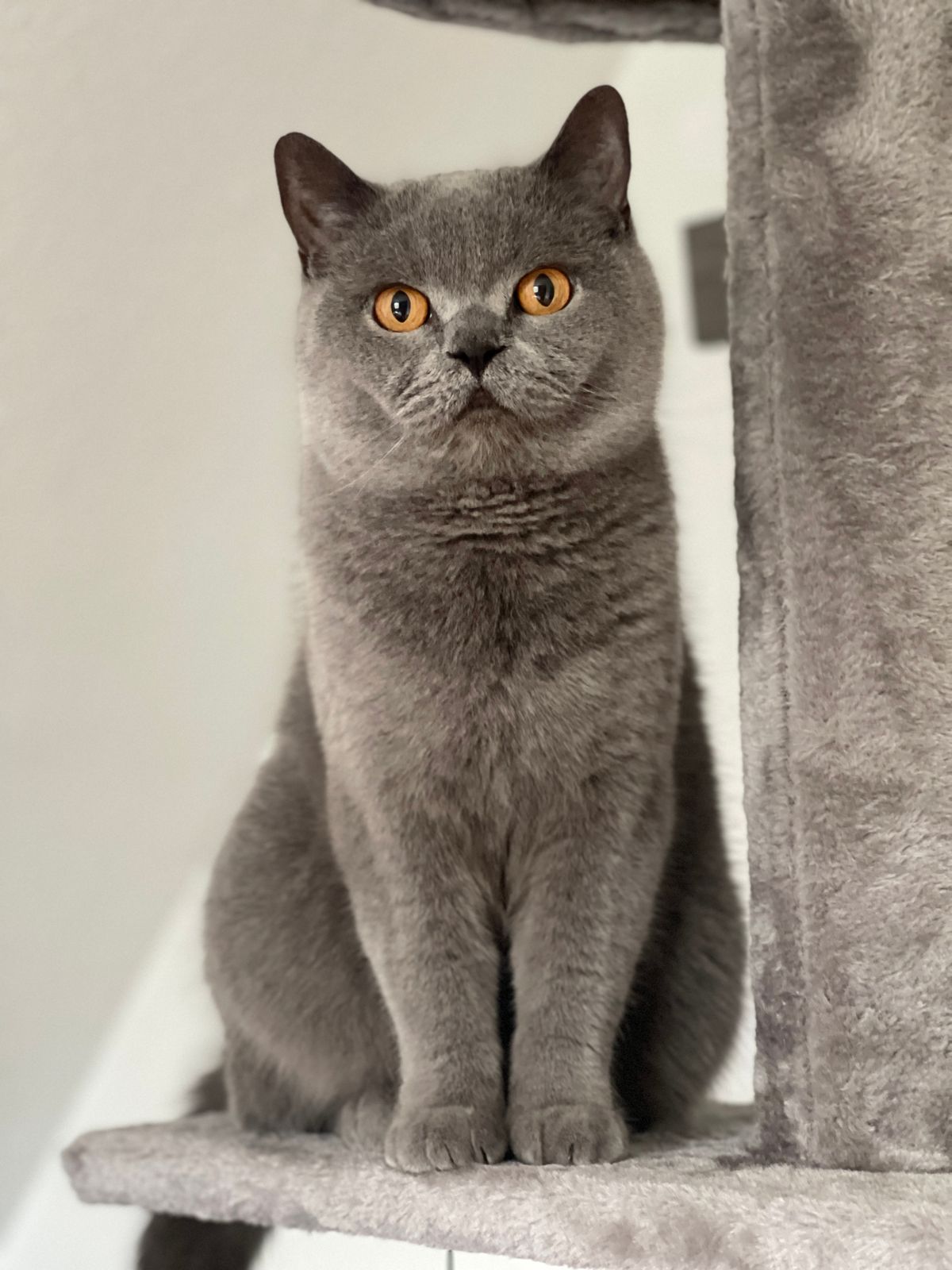
Photo: Pexels / Free for commercial use
The British Shorthair is the most popular pedigree cat breed in the UK and consistently ranks among the top five globally — including across Southeast Asia, where demand has surged significantly over the past decade. They are prized for their dense, plush coat, round teddy-bear appearance, calm and independent temperament, and exceptional longevity. A well-cared-for British Shorthair can easily live 15–20 years. However, this breed carries a significant hereditary cardiac condition and a strong predisposition to obesity that every owner must understand from day one. This guide covers everything you need to give your British Shorthair the long, healthy life they are capable of.
Breed Overview
The British Shorthair is one of the oldest recognized cat breeds, descending from cats brought to Britain by Romans. They are a large, cobby (stocky and compact) breed with a broad chest, round head, large round eyes (typically copper or gold), short dense plush coat, and short thick tail. Males are significantly larger than females. British Shorthairs are known for being calm, quiet, and relatively independent — they enjoy company but are not demanding. They adapt well to indoor living, are generally good with children and other pets, and tend to be less active than many other breeds — a characteristic that directly contributes to their obesity risk.
Lifespan
12 – 20 years
Adult weight (male)
5 – 9 kg
Adult weight (female)
3.5 – 5.5 kg
Height (shoulder)
30 – 35 cm
Build
Large, cobby, very muscular
Coat
Short, dense, plush — 'crisp' texture
HCM risk
Elevated — screen from age 3
Heart Disease (HCM) — The Most Important Health Priority
Hypertrophic Cardiomyopathy (HCM) is the most important health issue in British Shorthairs and the leading cause of premature death in the breed. HCM causes the walls of the heart muscle to thicken, reducing the heart's ability to pump blood effectively. This leads to heart failure, fluid accumulation in the lungs (pulmonary edema), blood clot formation (aortic thromboembolism — an extremely painful emergency causing sudden hind limb paralysis), and sudden death. The critical challenge with HCM in British Shorthairs is that it is frequently silent until advanced: many affected cats show no symptoms until they are in heart failure or suffer a thromboembolism. This is why proactive cardiac screening is essential — not just waiting for symptoms. Responsible breeders screen all breeding cats annually with echocardiography. All British Shorthair owners should discuss cardiac screening with their vet from age 3.
Healthy Weight Ranges by Age & Sex
British Shorthairs are one of the heaviest domestic cat breeds — their large, muscular, cobby build means they genuinely weigh more than average. This makes visual weight assessment unreliable: a healthy British Shorthair male at 7 kg looks and feels very different from an obese domestic shorthair at the same weight. Always use body condition scoring alongside weight measurement.
| Age | ♂ Male | ♀ Female |
|---|---|---|
| 3 months | 1.3 – 1.8 kg | 1.0 – 1.5 kg |
| 6 months | 2.5 – 3.5 kg | 2.0 – 2.8 kg |
| 1 year | 3.5 – 5.5 kg | 2.8 – 4.0 kg |
| Adult (1–7 years) | 5.0 – 9.0 kg | 3.5 – 5.5 kg |
| Senior (7+ years) | 4.5 – 8.0 kg | 3.0 – 5.0 kg |
⚠ British Shorthairs are slow maturing — males may not reach full size until 3–5 years of age. Never restrict food in growing British Shorthair kittens under 12 months. After maturity, strict portion control is essential — this breed's low activity level and love of food make obesity almost inevitable without active management.
Body Condition Scoring for British Shorthairs
The British Shorthair's dense, thick coat and naturally large, round, muscular build can disguise significant weight gain. A British Shorthair at BCS 7 can look nearly identical to one at BCS 5 to an untrained eye. Hands-on assessment is essential. Target BCS 4–5 on a 9-point scale.
Ribs, spine, and pelvis clearly visible and felt with no fat cover. Muscle wasting. Uncommon in adult British Shorthairs — investigate for illness, dental pain, or hyperthyroidism if a previously well-fed British Shorthair loses weight unexpectedly.
Ribs felt easily with light finger pressure through the dense coat, with a thin fat layer. Clear waist narrowing behind ribcage when viewed from above. Slight abdominal tuck from the side. Despite the breed's naturally round appearance, a waist should be discernible. This is the target for all life stages.
Ribs require moderate-to-firm pressure to feel through fat and coat. Waist absent or barely visible from above. Rounded belly that may swing when walking. Fat deposits palpable at neck base and over the ribcage. Very common in adult British Shorthairs — requires dietary intervention.
Ribs not palpable. No waist. Heavy fat deposits at neck, shoulders, belly, and groin. Difficulty grooming hind end. Labored breathing with minimal exertion. Significantly increases HCM and diabetes risk. Urgent veterinary-supervised weight loss needed.
How to Check Your British Shorthair's BCS at Home
- 1Part the coat along the ribcage and press firmly with both hands — individual ribs should be felt with light pressure, not require digging through fat
- 2Stand over your cat and look down — there should be a distinct narrowing (waist) between the ribcage and hips. In British Shorthairs, this waist is subtle but should be present
- 3Look from the side — the belly should have a slight upward tuck behind the ribcage, not hang level or pendulously
- 4Feel the base of the tail and the back of the neck — early fat deposits appear here first in British Shorthairs
- 5Feel along the spine — vertebrae should be palpable but not protruding sharply
- 6Weigh monthly — use a consistent scale. Track trends over 3+ months rather than single readings
- 7Use PawScan's photo scan for an AI body condition assessment — especially useful given how deceptive the British Shorthair's coat can be
Check Your British Shorthair's Body Condition Score
Upload a photo of your British Shorthair for an instant AI body condition score — specially important for this breed where the dense coat disguises weight gain and maintaining ideal weight directly reduces HCM and diabetes risk.
Scan your cat nowCommon Health Issues in British Shorthairs
Beyond HCM, British Shorthairs have several other breed-specific health considerations that owners should be aware of.
Hypertrophic Cardiomyopathy (HCM)
CriticalSee dedicated HCM section above. The single most important health priority for this breed. British Shorthairs have an elevated genetic predisposition to HCM compared to the general cat population. Annual echocardiography from age 3 is the standard of care. Signs when present: rapid or labored breathing, open-mouth breathing, lethargy, reduced appetite, sudden hind limb weakness or paralysis (aortic thromboembolism — emergency). Many cats show no signs until crisis — screening is essential.
Obesity — The #1 Preventable Health Risk
CriticalBritish Shorthairs are exceptionally prone to obesity. Their naturally low activity level, calm indoor temperament, and robust appetite combine to make weight gain almost inevitable without active management. Obesity in British Shorthairs significantly increases HCM risk, diabetes risk, and joint disease. Studies consistently show that overweight cats have shorter lifespans. The dense plush coat disguises weight gain effectively — most British Shorthairs that owners describe as 'solid' are clinically overweight. Monthly BCS assessment and strict measured feeding are non-negotiable for this breed.
Diabetes Mellitus
High priorityBritish Shorthairs have an elevated risk of developing Type 2 diabetes, directly linked to their obesity predisposition. Obesity causes insulin resistance in cats, eventually leading to diabetes. Signs: increased thirst and urination, weight loss despite good or increased appetite, plantigrade stance (walking on hocks), lethargy, poor coat. Feline diabetes is highly manageable — many cats achieve full diabetic remission with early aggressive insulin therapy and a low-carbohydrate, high-protein diet. Prevention: maintain healthy weight throughout life.
Blood Type B & Neonatal Isoerythrolysis
CriticalBritish Shorthairs have an unusually high prevalence of Blood Type B compared to most cat breeds (estimated 30–50% of British Shorthairs are Type B, versus less than 5% in most other breeds). This matters critically in breeding: if a Type B female mates with a Type A male, Type B mothers produce antibodies against Type A blood. Kittens born with Type A blood who nurse from a Type B mother ingest these antibodies in the colostrum, causing neonatal isoerythrolysis — a rapidly fatal hemolytic crisis in newborns within the first 24–48 hours of life. Responsible breeders blood type all breeding cats before pairing. If you are a British Shorthair breeder, blood typing is essential. If you are a pet owner, this is relevant if your cat ever receives a blood transfusion — always inform your vet of the British Shorthair blood type prevalence.
Dental Disease
MonitorLike most cats, British Shorthairs are prone to dental disease — tooth resorption, gingivitis, and periodontal disease. Their broad, rounded head can contribute to dental crowding. Daily toothbrushing and professional dental cleaning from age 2–3 are strongly recommended. Dental pain is a hidden cause of reduced appetite and behavioral change — particularly relevant in British Shorthairs who are already prone to weight issues.
Chronic Kidney Disease (CKD)
High priorityCKD is common in all cats over 7 years and British Shorthairs are no exception. Their long lifespan (many reach 15–18 years) means more years of kidney health management. Annual blood and urine panels from age 7 — including SDMA (a sensitive early kidney marker) — allow early detection when management is most effective. Wet food diet throughout life supports kidney hydration.
Osteoarthritis
MonitorBritish Shorthairs' heavy, cobby build combined with common obesity places significant stress on joints, leading to osteoarthritis — particularly in the hips, elbows, and spine — from middle age. Signs are often subtle in cats: reduced jumping, preference for lower resting spots, reduced grooming of hard-to-reach areas, reduced activity. Annual mobility assessment from age 7, omega-3 supplementation, and maintaining healthy weight are the key preventive strategies.
Nutrition & Weight Management
Measure every meal — this is critical for British Shorthairs
British Shorthairs should never be free-fed. Their combination of low activity, efficient metabolism, and hearty appetite means free access to food almost always results in obesity. Weigh meals on a kitchen scale. A typical adult British Shorthair needs 200–280 kcal/day (adjusted for size, sex, and neutered status). Two structured meals daily is the gold standard.
High protein, low carbohydrate
As obligate carnivores, cats thrive on high-protein, low-carbohydrate diets. This is especially important for British Shorthairs given their diabetes risk. Choose foods with a named animal protein as the first ingredient. Avoid foods with corn, wheat, or rice as primary carbohydrate sources. High-protein wet food is ideal.
Wet food as the dietary foundation
Wet food provides significantly more moisture than dry food, supporting kidney health over the long term — important for a breed that may live 15–18 years. It also has lower caloric density per gram, making it easier to provide a satisfying volume of food without excessive calories. Aim for at least 60–70% of calories from wet food.
Feed for ideal weight, not current weight
If your British Shorthair is overweight, calculate their calorie needs based on their target ideal weight — not their current weight. Safe weight loss rate: 0.5–1% of body weight per week. Never restrict to the point of causing hepatic lipidosis (fatty liver disease, which can develop quickly in cats that lose weight too fast or stop eating).
Puzzle feeders and slow feeders
British Shorthairs tend to eat quickly. Puzzle feeders, slow feeder bowls, or splitting the daily ration into 3–4 very small meals extend eating time, provide mental stimulation, and help the cat feel more satisfied. This is particularly useful for British Shorthairs who beg for food persistently.
Exercise & Enrichment
British Shorthairs are not naturally high-energy cats — they are calm and often sedentary by nature. This low activity level is a major contributor to their obesity risk. Daily interactive play is essential: 2–3 sessions of 10–15 minutes with wand toys, feather toys, or laser pointers stimulates their natural hunting drive and burns calories. British Shorthairs often play enthusiastically when engaged but will not typically exercise independently. The responsibility for activity falls on the owner. Puzzle feeders extend 'activity time' during meals. Vertical territory (cat trees, window perches) encourages movement. Avoid high-impact repetitive jumping — at healthy weight this is fine, but overweight British Shorthairs should be gradually built up to more activity rather than encouraged to jump repeatedly from heights.
Lifespan & Senior Care
British Shorthairs are among the longest-lived cat breeds — 15–18 years is common for well-cared-for individuals, and some reach 20+. Senior status begins around age 7–8. Key senior care milestones: biannual vet visits from age 8, annual blood panel including SDMA (kidney), T4 (thyroid), blood glucose, and liver values from age 7, echocardiogram every 6–12 months from age 7 (or earlier if HCM diagnosed), mobility and joint assessment from age 8, and monthly weight and BCS check at home. The combination of excellent longevity and HCM risk means cardiac monitoring must be maintained consistently throughout the senior years.
Preventive Care Checklist
Kitten (0–1 year)
- ✓Core vaccinations and parasite prevention
- ✓Establish toothbrushing routine from week 1
- ✓Begin measured feeding from day 1 — no free feeding ever
- ✓Blood type the cat — essential knowledge for emergencies and breeding
- ✓Baseline cardiac auscultation at first vet visit
- ✓Spay/neuter at appropriate age — discuss timing with vet
Adult (1–7 years)
- ✓Annual wellness exam
- ✓Monthly weight and BCS check at home
- ✓Echocardiogram annually from age 3
- ✓Professional dental cleaning from age 2–3
- ✓Wet-food-based diet — adjust portions as activity level changes
- ✓Blood panel from age 5 (earlier if any clinical signs)
Senior (7+ years)
- ✓Biannual vet visits
- ✓Annual blood panel (kidney SDMA, thyroid T4, glucose, liver)
- ✓Echocardiogram every 6–12 months
- ✓Mobility and joint assessment — discuss omega-3s and pain management
- ✓Consider renal diet if kidney disease detected
- ✓Dental cleaning frequency may increase
- ✓Monitor for weight loss — in senior cats this may indicate hyperthyroidism or CKD
Frequently Asked Questions
Do British Shorthairs have heart problems?▾
Yes — British Shorthairs have an elevated predisposition to Hypertrophic Cardiomyopathy (HCM), the most common heart disease in cats. The challenge is that HCM is often completely silent until it causes heart failure or a thromboembolism (blood clot). This is why annual echocardiography (cardiac ultrasound) from age 3 is strongly recommended — it detects HCM before symptoms appear, allowing early management. Never wait for symptoms in this breed.
How long do British Shorthairs live?▾
British Shorthairs are one of the longest-lived cat breeds — typical lifespan is 12–17 years with many reaching 18–20. The key factors for longevity are weight management (obesity significantly shortens lifespan and increases HCM risk), cardiac monitoring, regular veterinary care from age 7, and dental health. A British Shorthair maintained at ideal weight with regular cardiac screening has excellent longevity prospects.
Are British Shorthairs prone to obesity?▾
Yes — British Shorthairs are one of the most obesity-prone cat breeds. Their combination of low natural activity level, efficient metabolism, robust appetite, and dense coat that disguises weight gain makes obesity very common. Studies suggest the majority of pet British Shorthairs are overweight. Strict measured feeding (no free feeding, weighed portions), wet food diet, and regular BCS assessment are essential from kittenhood.
What is blood type B in British Shorthairs?▾
British Shorthairs have an unusually high prevalence of Blood Type B — estimated 30–50% of the breed, compared to less than 5% of most other cat breeds. This is important in breeding (Type B mothers can produce fatal antibody reactions in Type A kittens — called neonatal isoerythrolysis) and in veterinary emergencies (blood transfusions must be type-matched). As a pet owner, inform your vet that your British Shorthair may be Type B, especially before any surgical procedure that could require a transfusion.
What should I feed a British Shorthair?▾
High-protein, low-carbohydrate wet food, measured to the appropriate calorie target for their ideal body weight. British Shorthairs should never be free-fed — their low activity level and efficient metabolism make obesity almost guaranteed without portion control. A typical neutered adult British Shorthair needs approximately 200–280 kcal/day — weigh portions with a kitchen scale, not a measuring cup. Puzzle feeders help extend meal time and reduce begging.
At what age should I start cardiac screening for my British Shorthair?▾
Discuss cardiac auscultation (listening to the heart) at every annual vet visit from age 1. Begin annual echocardiography (cardiac ultrasound — the only reliable way to detect HCM early) from age 3. Do not wait for symptoms — by the time a British Shorthair shows obvious cardiac symptoms, the disease is often significantly advanced. Early detection allows early management, which meaningfully extends quality of life.
This article is for educational purposes only. Always consult a licensed veterinarian for medical advice specific to your pet.